De la Schiță la Producție de Serie: Cum Devine un Produs Hardware Pregătit pentru Fabricație
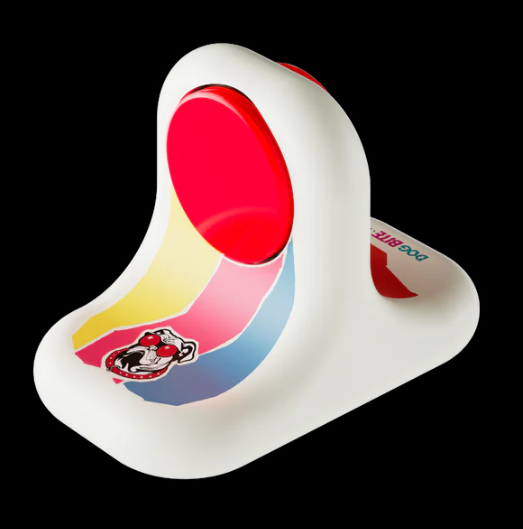
Orice produs fizic de succes începe cu o idee.
Uneori apare din frustrare. Alteori din curiozitate. Iar uneori din simpla observație că produsele existente nu rezolvă suficient de bine o problemă reală.
Totuși, există o diferență majoră între a avea o idee și a transforma acea idee într-un produs real, pregătit pentru fabricație.
Multe concepte nu trec niciodată de etapa de schiță sau prototip. Altele eșuează când ajung în producție deoarece nu au fost proiectate încă de la început pentru manufacturare.
La iPrintat lucrăm frecvent cu produse care trec exact prin această transformare — de la schițe conceptuale și prototipuri funcționale până la produse pregătite pentru producție de serie.
În acest articol explorăm procesul real de dezvoltare al unui produs hardware, folosind un flux de lucru similar unuia dintre proiectele noastre din zona tehnologiei muzicale experimentale.
Pasul 1: Orice Produs Începe Cu o Problemă Reală
Produsele bune nu pornesc de la tehnologie.
Pornește de la o problemă.
Înainte să înceapă ingineria, trebuie răspuns la câteva întrebări importante:
Ce problemă rezolvă produsul?
De ce soluțiile actuale sunt ineficiente?
Ce poate fi simplificat?
Cum va interacționa utilizatorul cu produsul?
Această etapă este deseori ignorată, deși influențează tot ceea ce urmează.
Scopul nu este perfecțiunea.
Scopul este explorarea.
Schițele rapide, ideile desenate și conceptele simple sunt deseori mai valoroase decât trecerea directă într-un model CAD complex.
În cazul unuia dintre proiectele noastre hardware, întregul concept a început prin schițe realizate pe hârtie, explorând noi moduri prin care muzicienii pot interacționa cu instrumentele și sunetul.
Pasul 2: Schițarea Conceptului și Validarea Ideii
Schițele rămân una dintre cele mai rapide metode de validare a unei idei.
Înainte de investiția în proiectare și dezvoltare, acestea ajută la răspunsul unor întrebări practice:
Cum va fi utilizat produsul?
Ce formă și dimensiuni sunt potrivite?
Ce componente trebuie integrate?
Ce limitări ergonomice există?
Cum influențează producția designul?
Această etapă ajută la eliminarea rapidă a ideilor slabe și îmbunătățirea celor promițătoare.
În acest punct nimic nu este final.
Scopul este iterația rapidă.
Hârtia rămâne unul dintre cele mai bune instrumente de dezvoltare deoarece ideile evoluează mai repede înainte ca limitările tehnice să încetinească procesul.
Pasul 3: Transformarea Ideii în Realitate Inginerească
Un concept bun nu devine automat un produs bun.
Aici începe adevărata inginerie.
Odată validată direcția produsului, designul trebuie transformat într-o soluție practică.
Apar întrebări esențiale:
Design mecanic
Cum se îmbină toate componentele?
Manufacturabilitate
Poate produsul fi fabricat constant și eficient?
Asamblare
Poate fi montat simplu și repetabil?
Durabilitate
Rezistă utilizării reale?
Experiența utilizatorului
Este intuitiv și ușor de folosit?
Această etapă implică de obicei numeroase revizii.
Diferența dintre un simplu prototip și un produs de succes stă adesea în zeci de mici decizii inginerești.
Pasul 4: Protejarea Inovației și Brevetarea
Când un produs introduce un mecanism sau un mod de utilizare nou, protejarea proprietății intelectuale devine importantă.
În funcție de proiect, aceasta poate include:
Brevete
Modele de utilitate
Protecție de design industrial
Protecție de brand
Protejarea inovației poate crea avantaje competitive importante.
Totuși, un brevet singur nu este suficient.
O idee brevetată care nu poate fi fabricată rămâne doar o idee.
Succesul apare atunci când inovația și ingineria funcționează împreună.
Pasul 5: Prototiparea și Testarea Funcțională
Înainte de producția de serie, prototipurile sunt esențiale.
Aici intervin tehnologii precum:
Printare 3D
Prelucrare CNC
Prototipare funcțională
Testare mecanică
Prototipurile scot la iveală probleme imposibil de anticipat complet într-un model CAD:
Probleme ergonomice
Toleranțe nepotrivite
Zone structurale slabe
Dificultăți de asamblare
Comportamente neașteptate ale utilizatorului
Probleme termice sau mecanice
De cele mai multe ori sunt necesare mai multe iterații până când produsul devine pregătit pentru producție.
Omiterea acestei etape generează aproape întotdeauna costuri mai mari ulterior.
Pasul 6: Pregătirea pentru Producția de Serie
Trecerea de la prototip la producție schimbă complet modul de gândire.
Întrebările devin altele:
Poate fi produs constant și repetabil?
Sunt toleranțele optimizate?
Poate fi simplificat procesul de asamblare?
Costurile de producție sunt sustenabile?
Cum pot fi reduse defectele?
Această etapă include frecvent:
Design pentru fabricație (DFM)
Optimizare de materiale
Coordonare cu furnizori
Adaptare pentru producție
Simplificarea asamblării
În cazul unuia dintre proiectele noastre din zona hardware muzicală, întregul proces a durat aproximativ un an — de la schițe pe hârtie și brevetare până la un produs pregătit pentru producție de serie.
Acest interval este mult mai comun decât pare.
Produsele hardware bune necesită timp, testare și disciplină inginerească.
De Ce Dezvoltarea de Produs Înseamnă Mai Mult Decât Modelare 3D
Mulți cred că dezvoltarea unui produs înseamnă doar realizarea unui model CAD atractiv.
În realitate, produsele reușite combină:
Design industrial
Inginerie mecanică
Prototipare rapidă
Strategie de fabricație
Testare și optimizare
Planificare pentru producție
Un produs bun nu trebuie doar să arate bine.
Trebuie să fie manufacturabil, rezistent, funcțional și sustenabil economic.
La iPrintat, vedem prototiparea și tehnologiile de fabricație nu doar ca metode de producție, ci ca instrumente pentru rezolvarea problemelor inginerești și accelerarea dezvoltării de produs.
Concluzie
Drumul de la idee la produs real este rareori simplu.
Începe cu schițe, continuă prin proiectare și testare, iar în final devine un produs pregătit pentru fabricație.
Diferența dintre o idee uitată și un produs de succes nu este de obicei creativitatea.
Ci execuția.
Dacă lucrezi la un produs hardware și vrei să explorezi prototiparea, proiectarea funcțională sau fezabilitatea producției, luarea deciziilor tehnice corecte încă de la început poate face întregul proces mult mai eficient.