Cum Fac Posibile Ingineria Inversă și Printarea 3D Realizarea Componentelor Auto Personalizate
Personalizarea automobilelor moderne nu mai înseamnă doar modificarea unor componente existente.
Prin utilizarea ingineriei inverse, scanării 3D, proiectării CAD și fabricației aditive, pot fi dezvoltate componente complet noi, integrate perfect în vehicul și cu un aspect apropiat de cel oferit din fabrică.
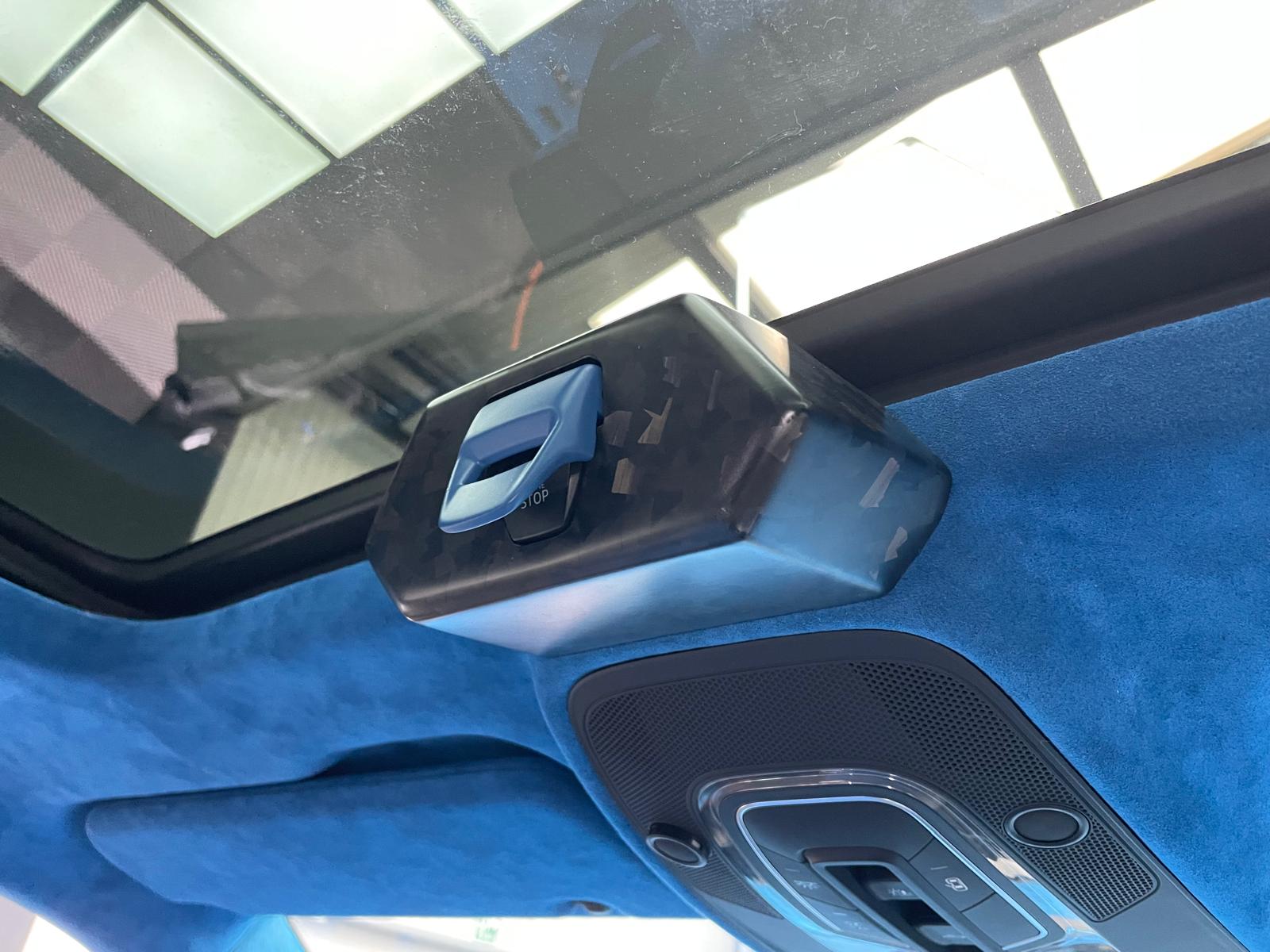
În cadrul acestui proiect am realizat o serie de componente personalizate pentru interiorul unui Lamborghini Urus, combinând tehnologiile digitale cu fabricația de precizie pentru relocarea butonului de pornire a motorului și integrarea acestuia într-o poziție complet nouă.
Obiectivul a fost simplu:
Realizarea unor componente care să pară parte din designul original al automobilului.
Procesul Începe cu Ingineria Inversă
În proiectele auto personalizate, producătorii nu oferă modelele CAD originale.
Din acest motiv, primul pas este ingineria inversă.
Pentru acest proiect, geometria interiorului a fost capturată cu ajutorul unui scanner 3D cu lumină structurată, obținând o bază dimensională precisă pentru proiectare.
În același timp, componentele noi au fost proiectate pornind de la fotografii și interpretare inginerească, iar scanarea 3D a fost utilizată pentru verificarea geometriei și integrarea perfectă în interiorul vehiculului.
Proiectarea Componentelor Noi
Una dintre cele mai importante provocări a fost păstrarea aspectului original al interiorului.
Noile componente trebuiau să respecte liniile existente și să se integreze natural în consola plafonului.
A fost proiectată o nouă carcasă pentru butonul Start Engine, mutat în spatele consolei de plafon.
În același timp, locația originală a butonului a fost acoperită cu o piesă personalizată, proiectată pentru a se integra perfect în designul existent.
Ulterior, ambele componente au fost îmbrăcate în fibră de carbon de către partenerul nostru, rezultând un aspect premium și un finisaj apropiat de standardele OEM.
Validarea Înainte de Montaj
Chiar și cele mai precise scanări trebuie verificate.
Înainte de modificarea consolei plafonului, am printat 3D întreaga zonă de montaj pentru a valida poziționarea componentelor și locația găurilor de fixare.
Acest pas a permis verificarea întregului ansamblu înainte de găurirea plafonului automobilului, reducând riscul de erori și asigurând un montaj precis.
Acesta este unul dintre marile avantaje ale prototipării rapide în proiectele auto personalizate.
De Ce Am Folosit ABS
Materialul ales pentru componentele funcționale a fost ABS.
Acesta oferă un echilibru foarte bun între rezistența mecanică, stabilitatea dimensională și rezistența la temperaturile ridicate întâlnite în interiorul automobilelor.
Componentele au fost fabricate prin printare 3D FDM, o soluție eficientă pentru dezvoltarea pieselor unicat și pentru validarea rapidă a modificărilor de proiectare.
Proiectare pentru Finisare cu Fibră de Carbon
Deoarece finisajul final urma să fie realizat prin îmbrăcare în fibră de carbon, toate componentele au fost proiectate ținând cont și de această etapă.
Geometriile, muchiile și suprafețele au fost optimizate pentru a permite aplicarea uniformă a fibrei de carbon și obținerea unui rezultat estetic de înaltă calitate.
Acest proiect demonstrează modul în care ingineria digitală și finisajele premium pot lucra împreună pentru realizarea unor componente auto personalizate.
Concluzie
Personalizarea automobilelor moderne înseamnă astăzi mai mult decât modificarea unor componente existente.
Înseamnă proiectarea unor soluții noi, validate prin scanare 3D și prototipare rapidă, fabricate prin printare 3D și integrate perfect în vehicul.
Prin combinarea ingineriei inverse, proiectării CAD și fabricației aditive, acest proiect pentru Lamborghini Urus demonstrează cum pot fi realizate componente personalizate cu montaj precis, funcționalitate ridicată și un aspect apropiat de cel original.